Cloud regions are built so that losing one building does not take your service down. On 20 October 2026 one building in London did go down, and for some customers their service went with it.
What happened
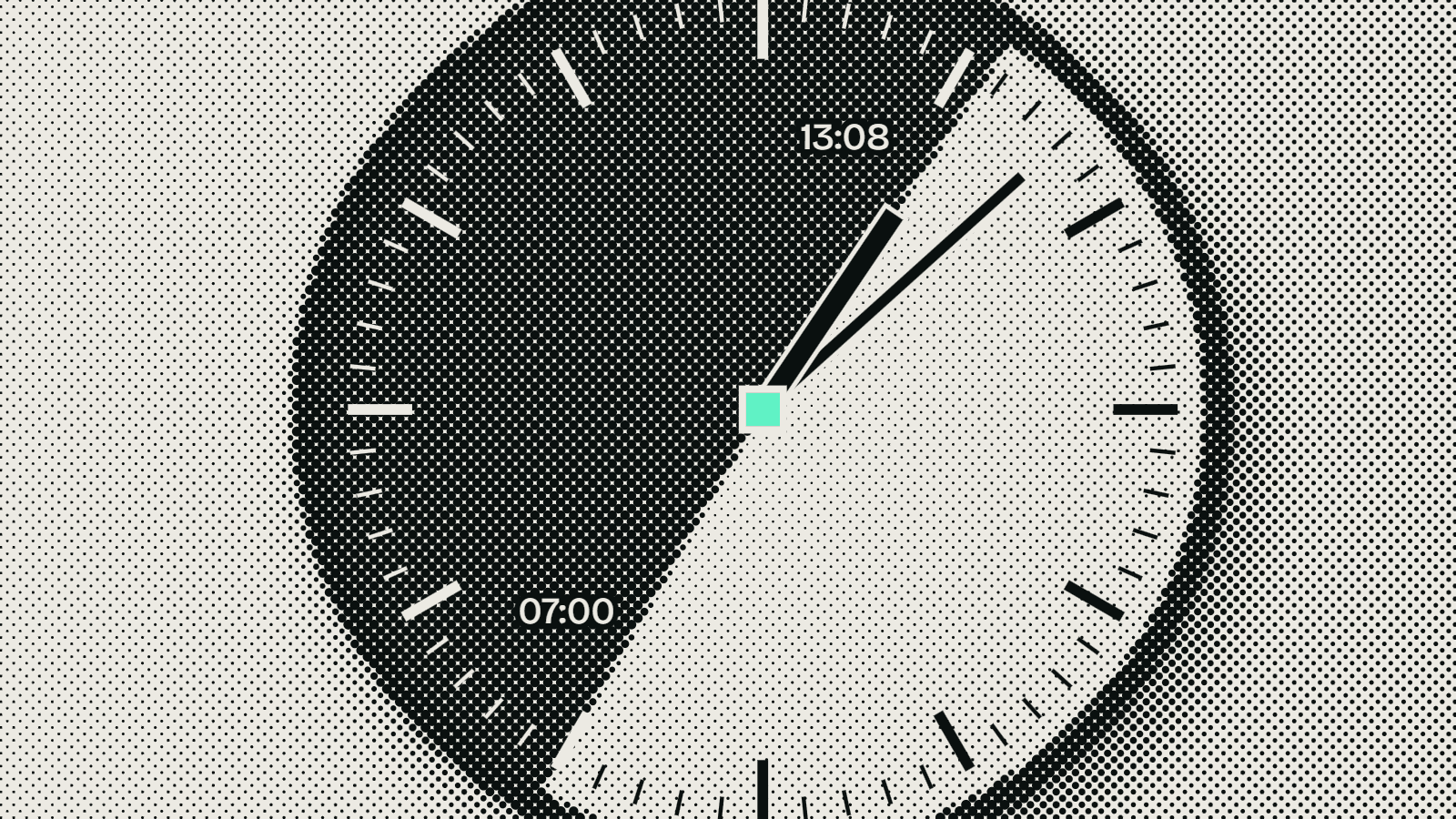
According to Google’s incident report, power was lost in one zone of its London region, europe-west2-b. The incident ran from 07:00 to 13:08 British Summer Time: six hours and eight minutes.
The report describes a chain of three things. An underground cable fault outside the building cut one of the two utility feeds while the breaker on the other was open. A flaw in how the control system sensed voltage meant the generators never received the signal to start. The batteries carried the load until they ran out.
Dozens of products are listed as affected. Google’s reports say workloads in the region’s other two zones “also experienced unexpected impact”, and that no impact was found outside the London region.
What the status page could not tell you
The report says engineers were alerted four minutes after the start. The earliest update shown on the public incident page is timestamped two hours and thirty-five minutes after that start. However fast a provider works, every incident begins with a stretch in which a team whose service is failing has to work out for itself whether the cause is its own release or its provider.
A status page also answers a different question from yours. It says which products had a problem in which zone. It does not say whether your checkout page loaded for a customer in Manchester at a quarter past eight.
What your own measurements add
- The first minutes. A check that runs from outside the provider notices when the answers stop. It does not wait for anyone to write an update.
- The shape. Which countries and networks could not reach you, and which never noticed.
- The recovery. When answers came back, measured from where your users are, and not when the provider closed the incident.
Hopbits checks from independent nodes on home, mobile and datacenter networks in several countries, none of them inside your cloud account. A monitor keeps every hour of the last day, and tells you by email or webhook when a country starts failing and when it recovers.
Sources
- Incident report: power loss in europe-west2-b, 20 October 2026Google Cloud Service Health · updated 4 November 2026